#ad [recommended product]
Introduction
When it comes to managing blood sugar, the first things that comes to mind are prescription drugs and strict diets. But, what if a simple natural compound found in everyday foods like oats and barley could change that?
This compound is called beta glucan. It’s a type of soluble dietary fiber with cholesterol-lowering effects, but it also has potential impact on glucose metabolism. If you’re looking for a simple solution for blood sugar balance, this is big news.
So, let’s get to the bottom of the big question: Can beta glucan lower blood sugar? We’re here to dig into the facts of this fascinating fiber.
Effectiveness
Ever heard of eating oatmeal to help with blood sugar and cholesterol? Well, it’s thanks to beta-glucan, and a significant amount of research suggests it’s the real deal. Its effectiveness is rooted in its ability to “gum up the works”.
Mechanism of Action (How It Gums Up the Works)
The power of beta-glucan lies in its viscosity. Here’s the lowdown:
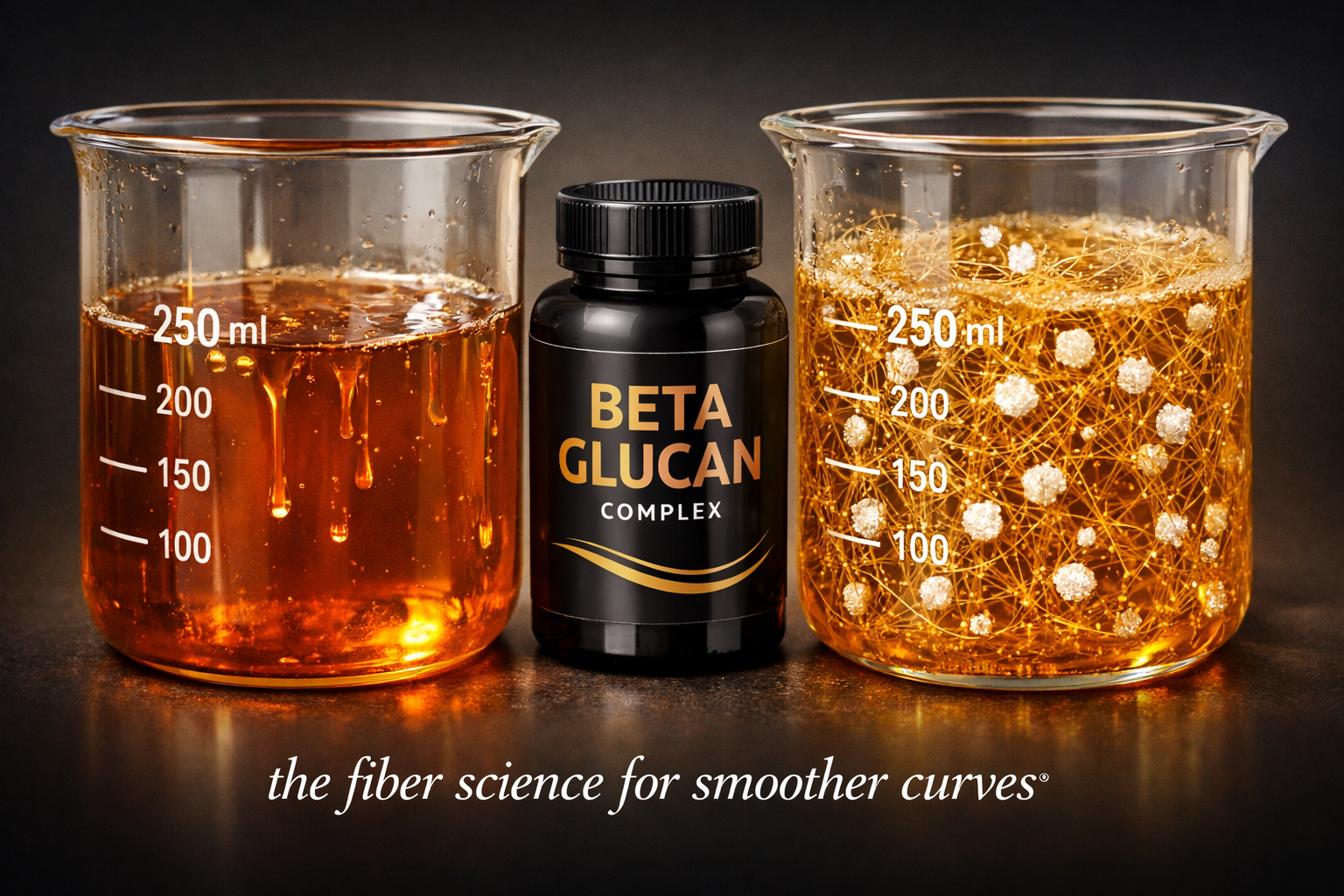
When you eat beta-glucan (say, in a bowl of oatmeal or a supplement), it mixes with water in your digestive tract and forms a thick, viscous gel, essentially “gumming up the works”.
- Slows Gastric Emptying: This gel makes the contents of your stomach empty into the small intestine much more slowly.
- Traps Carbohydrates: Within this gel matrix, carbohydrates and sugars from your meal are effectively trapped.
- Blunts the Spike: Because the sugars are released slowly and absorption is delayed, you don’t get that sudden, sharp spike in blood glucose that typically follows a meal. Instead, you get a slower, lower, and more manageable rise.
Think of it as a traffic controller for your digestive system. Rather than letting all the “sugar cars” rush onto the highway at once (causing a traffic jam in your bloodstream), beta-glucan lets them merge one by one, giving your body—and your insulin response—time to manage the load effectively.
Clinical Research Results
The proof is in the pudding (or, in this case, the porridge). Numerous clinical trials and meta-analyses have examined this very question.
A major review published in Nutrients and other systematic reviews have consistently found that beta-glucan consumption has a significant, positive effect on glycemic control.
- Post-Meal Spikes: The most consistent finding is beta-glucan’s ability to lower postprandial glucose (your blood sugar after eating). This is a direct result of that gel-forming mechanism.
- Long-Term Control: The benefits aren’t just immediate. Studies also show that regular consumption can lead to modest, but clinically meaningful, reductions in HbA1c—a key marker of your average blood sugar over three months.
- Insulin Sensitivity: By slowing down the glucose rush, beta-glucan also reduces the demand for insulin. Over time, this can help improve your body’s sensitivity to insulin, which is a massive win for anyone with insulin resistance or type 2 diabetes.
In short, research shows that Beta-glucan, particularly from oats and barley, does indeed help manage blood sugar levels.
Dosing
While there isn’t a single “one-size-fits-all” dose, the science points to a pretty clear therapeutic range. Most studies showing significant effects on blood sugar use daily doses of 3 to 6 grams of beta-glucan.
To put that in perspective, a cup of cooked oatmeal might provide around 2-3 grams. This means that to hit the therapeutic target, you might need to focus on beta-glucan-rich foods and potentially consider a concentrated supplement.
Crucially, for the mechanism to work, the beta-glucan must be consumed with your meal, especially one containing carbohydrates. Taking it on an empty stomach won’t do much for your post-meal spike.
Comparable Efficacy to Other Similar Treatments
How does beta-glucan stack up against the competition?
- vs. Other Fibers: When compared to other soluble fibers like psyllium (found in Metamucil), beta-glucan holds its own. Both work in a similar “gel-forming” fashion to slow absorption. Some research suggests beta-glucan might have a slight edge in viscosity, but both are considered excellent choices for glycemic control.
- vs. Medications: Let’s be crystal clear: Beta-glucan is not a replacement for medications like metformin. That would be comparing apples and oranges. Metformin works through entirely different pathways. Instead, beta-glucan should be seen as a powerful adjunctive therapy—an add-on tool that works with your diet, lifestyle, and medication to improve your overall metabolic health.
The Safety Profile of Beta Glucan
Okay, it works. But is it safe to take, especially in the larger doses needed for a therapeutic effect?
For the vast majority of people, the answer is a yes. Beta-glucan is, after all, just a natural fiber from food. The U.S. Food and Drug Administration (FDA) has granted it “Generally Recognized as Safe” (GRAS) status.
Adverse Effects
Even though Beta Glucan is safe, side effects might include gas and bloating.
If your body isn’t used to a high-fiber diet, jumping straight to 6 grams of beta-glucan a day can cause some gastrointestinal feedback. This can include:
- Bloating
- Gas (flatulence)
- Mild cramping
- A feeling of over-fullness
This is almost always temporary. It’s simply your gut bacteria having a field day with this new fiber. The key is to “start low and go slow,” allowing your digestive system to adapt over a few weeks.
Drug Interactions
This is the most important safety consideration. Because beta-glucan forms a thick gel and slows down all absorption, it can theoretically slow down the absorption of oral medications.
It doesn’t chemically interact with the drug, but it can throw a wrench in the gears of its timing and potency.
General Rule of Thumb: To be safe, take any medications (especially critical ones like thyroid medication, blood pressure pills, or diabetes drugs) at least 1 hour before or 2-4 hours after you consume a large dose of beta-glucan.
Precautions
While safe for most, a few groups should chat with their doctor first:
- Gastroparesis: If you have this condition (a significant slowing of the stomach), adding a fiber that also slows stomach emptying might not be a great idea.
- Severe GI Conditions: Those with Crohn’s disease, ulcerative colitis, or a history of bowel obstructions should be cautious with any large fiber increase.
- Difficulty Swallowing: Fiber supplements, if not taken with enough water, can swell and pose a choking risk.
Frequently Asked Questions (FAQs)
1. Can beta glucan cure my type 2 diabetes? No. Let’s be very clear: beta-glucan is a management tool, not a cure. It can be an incredibly effective part of a comprehensive plan to manage your blood sugar, but it does not reverse the underlying condition on its own.
2. Is beta-glucan from oats better than from barley or mushrooms? Both oat and barley beta-glucans are great and have been studied extensively for their blood sugar effects. They are both highly viscous and effective. Mushroom-derived beta-glucans are also great, but they are often studied more for their immune-boosting properties. For blood sugar, stick with oats and barley.
3. How long does it take to see results? You’ll see the effect on your post-meal blood sugar immediately—with the very first meal you take it. However, seeing a change in your long-term numbers, like your HbA1c, will take consistent use over several weeks to months.
4. I take Metformin. Can I still take beta-glucan? Yes, and it’s often a great combo. Just remember the timing rule: take your Metformin at least an hour before your beta-glucan-rich meal to ensure its absorption isn’t affected.
Conclusion
So, what’s the final verdict? Can beta glucan lower blood sugar?
Yes, the scientific evidence is clear and consistent: beta-glucan is a powerful, natural, and safe tool for improving glycemic control.
By forming a viscous gel, it slows down digestion, blunts damaging post-meal glucose spikes, and can help improve insulin sensitivity and long-term HbA1c levels.
It can’t replace your medication, but it’s a natural, food-based ally to add to your health toolkit. Paired with a sensible diet and active lifestyle, it’s a simple and effective way to help balance your blood sugar.
References
- Bozbulut R, Şanlıer N, Döğer E, Bideci A, Çamurdan O, Cinaz P. The effect of beta-glucan supplementation on glycemic control and variability in adolescents with type 1 diabetes mellitus. Diabetes Res Clin Pract. 2020 Nov;169:108464. doi: 10.1016/j.diabres.2020.108464. Epub 2020 Sep 21. PMID: 32971156.
- Francelino Andrade E, Vieira Lobato R, Vasques Araújo T, Gilberto Zangerônimo M, Vicente Sousa R, José Pereira L. Effect of beta-glucans in the control of blood glucose levels of diabetic patients: a systematic review. Nutr Hosp. 2014 Jan 1;31(1):170-7. doi: 10.3305/nh.2015.31.1.7597. PMID: 25561108.
- Kellogg JA, Monsivais P, Murphy KM, Perrigue MM. High β-Glucan Whole Grain Barley Reduces Postprandial Glycemic Response in Healthy Adults-Part One of a Randomized Controlled Trial. Nutrients. 2025 Jan 24;17(3):430. doi: 10.3390/nu17030430. PMID: 39940286; PMCID: PMC11819733.
Recommended Story For You :
The alpine secret for healthy weight loss
The Most Potent Fast-Acting Formula For Incinerating Stubborn Fat
Real Cortexi Users Real Life‑Changing Results
This Cold Drink Might Trigger Your Prostate
Red Boost is a powerful new formula for boosting male sexual health.
Everything you eat or drink eventually reaches your liver for processing.
Brand New Probiotics Specially Designed For The Health Of Your Teeth And Gums

Empowering You to Take Control of Your Blood Sugar Health!